






Meeting Today’s Infrastructure Needs
This article originally ran in Wisconsin Counties Magazine.
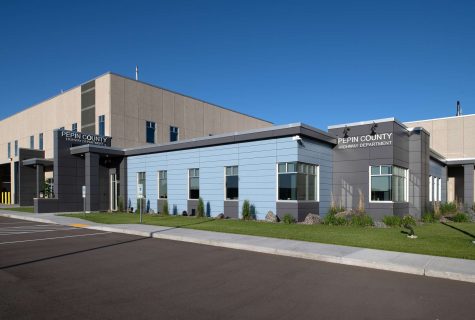
In the realm of county infrastructure, the critical role played by highway departments cannot be overstated. As the backbone of transportation networks, these departments are pivotal in maintaining and improving roadways, ensuring safe travel, and fostering economic growth. However, the need to update and modernize their facilities has become increasingly evident. In response to this demand, counties across the nation are reimagining and revamping their highway department facilities to meet the challenges of the 21st century.
Emerging Trends in County Highway Department Facilities
Recent trends in county highway department facilities reflect a departure from traditional setups. Counties are investing in state-of-the-art facilities that cater to the evolving needs of their communities. These modern facilities differ significantly from their predecessors in several key ways.
New facilities are integrating advanced technologies to streamline operations. This includes the implementation of automated systems for maintenance, real-time monitoring of road conditions, and improved data analytics for informed decision-making. Streamlining operations through modern technologies leads to better resource allocation and improved service delivery.
Highway facilities can be tricky to optimize because they typically have several different occupancy types under one roof. Particular attention is given to the types and variety of heating and cooling systems that are in place and the benefits certain systems offer in different situations. The system that heats a parking garage in the winter may not be the most efficient system to heat an adjacent office space or repair garage. Optimizing mechanical and electrical systems to account for this might add costs upfront, but it can lead to cost savings over the life of the facility. Not only do these systems need to be designed to meet the current needs of the county, but planning for the growth of the community must be considered as well.
Many counties are prioritizing sustainability in their new facilities. From energy-efficient designs to incorporating renewable energy sources such as solar panels, these buildings aim to reduce environmental impacts while optimizing resource usage. Careful thought needs to be given to how the county’s fleet of vehicles may change with sustainability, like the addition of electric vehicles. Counties may want to add charging stations or be prepared to add them in the future.
Efficient and well-maintained transportation networks are essential for economic development and attracting businesses to the region. This includes utilizing durable materials and energy-efficient systems to minimize operational costs over time.
Unlike conventional singular-purpose buildings, modern highway department facilities are designed for multifunctionality. They often include spaces for administrative work, vehicle maintenance, training, and community engagement. Understanding trends of how the workforce is changing is incredibly important to the design of buildings. Creating a space that facilitates collaboration and information sharing helps county departments become more interconnected. New facilities are designed to maximize space efficiency. By incorporating versatile layouts and flexible spaces, they cater to the diverse needs of highway department operations.
There’s also a heightened focus on creating safer and more ergonomic work environments. Upgraded facilities provide safer working conditions for employees, ultimately contributing to safer roadways for the public. This involves integrating improved lighting, ventilation systems, and ergonomic workstations to enhance employee well-being and productivity.
The transformation of county highway department facilities represents a proactive step toward meeting the challenges of today’s transportation landscape. By embracing innovation and modernization, counties can ensure that their infrastructure remains resilient, efficient and capable of meeting the needs of their communities well into the future. Investing in these modern facilities isn’t merely an upgrade – it’s an investment in the vitality and progress of the entire county.
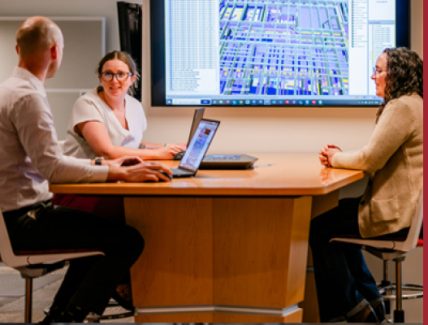
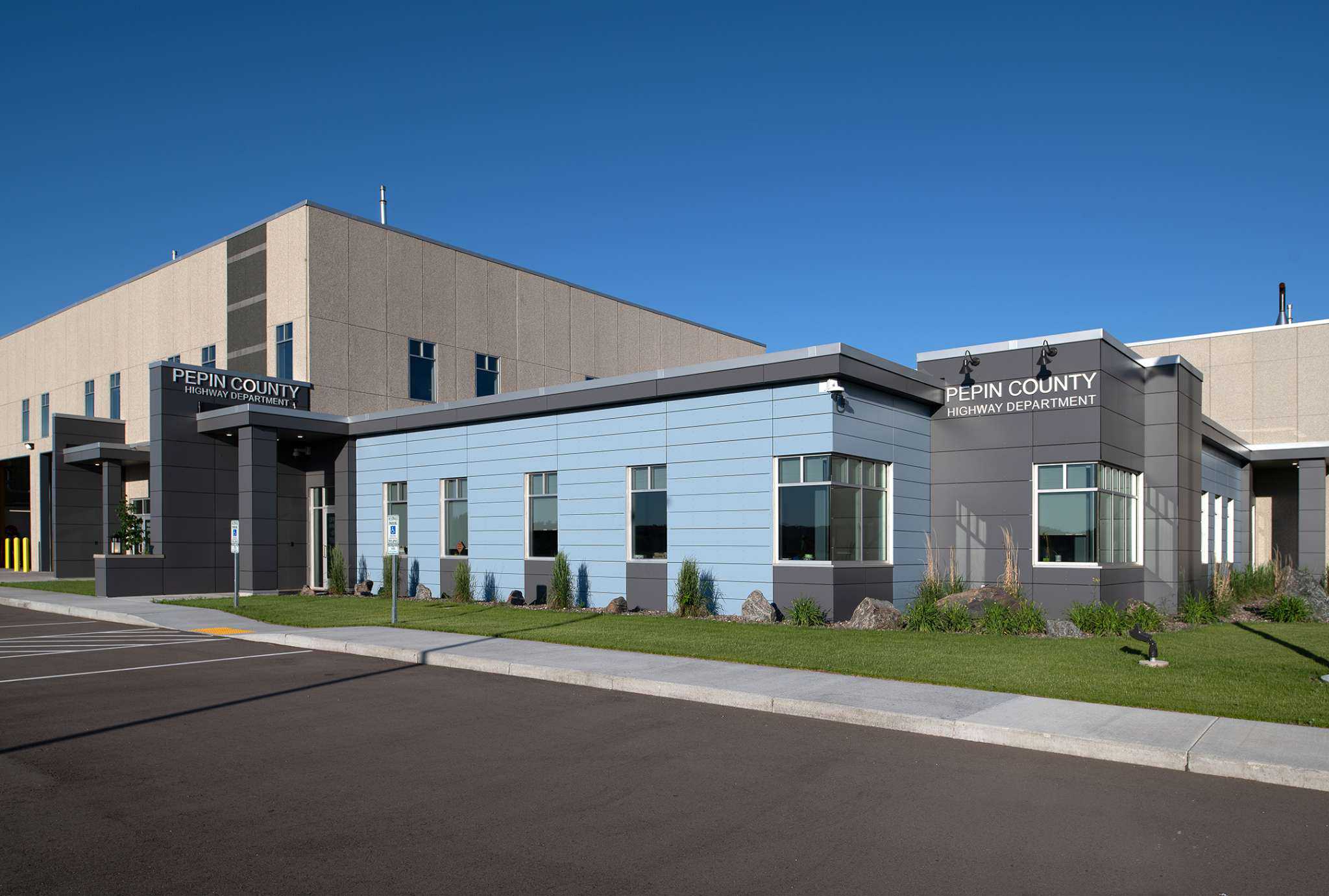
“It’s very important to consider all aspects of technology from every angle when planning for a new facility – from having building infrastructure to support today’s virtual meetings, to computer and charging stations for staff and guests, to automated building technology to optimize efficiency and security. I would also encourage creating modular meeting areas to have the ability to meet larger public hearing and staff training needs and convert to smaller meeting areas as needed. Don’t rush the design, get feedback from various stakeholders in your organization, and reach out to others who have been through the process to build the project best suited for your needs.” – Chris Bates, Pepin County Highway Commissioner
Leave a Reply
You must be logged in to post a comment.